

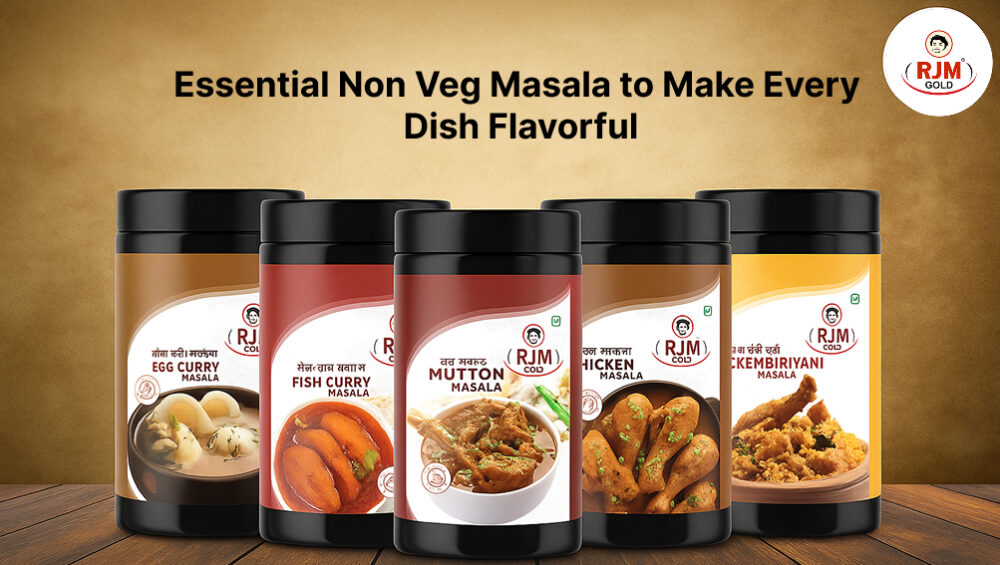
In Indian kitchens masala is completely magic. It actually turns a simple piece of chicken fish or mutton into a flavorful comforting memorable dish. If you are someone who enjoys non vegetarian food and wants to cook it at home knowing your non veg masala is the first step. No doubt the meat might change the taste that comes from the masala mix of ground spices that brings aroma heat and colour but not all the masalas are the same. Fish needs lighter flavors while mutton needs bold ones. That’s the only reason why every kitchen should have a specific non veg masala to suit different dishes.
Garam masala the warming finisher
Garam masala is the most commonly used spice mix in Indian cooking. It includes cinnamon cloves black pepper cardamom and nutmeg. Though not limited to non veg dishes it actually adds a warm deep flavor to gravies and roasts. The non veg masala powder contains a mix of cardamom cloves, cinnamon cumin, coriander seeds, nutmeg and even black pepper. The warm automatic masala is used towards the end of cooking to improve flavor.
How to use it?
You must always add half a tablespoon to one tablespoon at the final stage of cooking. It’s perfect for chicken curry, mutton keema and biryani. To add some fragrance and depth you can even sprinkle it on the top of cooked dishes. Always add some garam masala at the end of cooking so that its aroma doesn’t fade during the heat process.
Chicken masala- for everyday chicken curries
Ideally Chicken masala, is a premixed spice blend made specifically for chicken dishes. It generally includes turmeric red chili powder coriander black pepper cumin and fenugreek. Some blends also contain dried onion and garlic powders. It’s ideal for chicken Curry chicken masala fry and butter chicken.
How to use it?
You can use one to two tablespoons per 500 grams of chicken. At the same time, you can even combine it with onion, tomato base and yogurt or cream for richer gravies. This masala offers you a balanced flavor and is great for home cooks like you who want consistency in taste.
Mutton or meat masala- rich and hearty
Mutton is strong and takes longer to cook. Mutton or Meat masala, typically includes Bay leaf clove black cardamom cinnamon nutmeg fennel and also pepper. It’s completely dark, more aromatic and intense as compared to chicken masala. It’s perfect for mutton curry, mutton sukka and keema.
How to use it?
You just need to add 2 tablespoons of mutton masala while cooking the onion tomato base pulsed up then you can also use it for marination with curd and ginger garlic paste for better absorption. But you must always slow cook mutton for better flavor infusion from the spices.
Fish masala- light tangy and coastal
Fish is completely delicate so it requires lighter spices that won’t overpower the natural taste. Fish masala is usually made with fennel coriander turmeric dry mango powder black pepper and mustard seeds. It’s great for fish Curry fish fry and prawns masala.
How to use it?
You can add Fish masala, while making gravy or coat the fish fillets before frying. You can even combine it with coconut milk or tamarind juice for coastal flavors. Always avoid overcooking your fish because most of the fish cook within 10 to 12 minutes.
Egg masala
Egg masala is great when you want to have something protein packed but quick. The spice blend is usually mild including coriander cumin black pepper turmeric and red chili powder. It’s generally used in egg Curry, egg bhurji and egg masala dry fry.
How to use it?
You can mix it into your Curry base before adding boiled eggs. If you want enhanced flavor you can also sprinkle a little on top after cooking. But always shallow fry boiled eggs in turmeric and salt for two minutes before adding them to your curry. This will help you improve the taste and texture.
Biryani masala for the royal dish
One of the most prominent Indian non veg recipes is biryani. Biryani masala is an intense aromatic blend with ingredients like nutmeg star anise black cardamom cloves cinnamon and dried rose petals. It’s perfect for chicken biryani or mutton biryani.
How to use it?
You can mix it with marinated meat for at least two hours and sprinkle between layers of rice and meat during slow cooking. You must always combine it with fried onions, saffron milk and ghee for an authentic Hyderabadi biryani experience.
Tandoori masala
Tandoori masala is a spicy, tangy and smoky blend used in grilled meats like tandoori chicken, chicken tikka and grilled fish. It includes Kashmiri red chili cumin, coriander garlic powder black salt and dry mango powder.
How to use it?
You can mix 2 tablespoons of the masala with curd, lemon juice, salt and oil. Just marinate your meat for at least three hours or overnight. You can add a piece of hot charcoal to the marinated meat, cover the bowl and let it smoke for two minutes.
Kebab masala- For juicy minced meat recipes
Kebab masala is specially made for minced meat preparation. One of the most important Indian meat spices, used to make this masala include kasoori methi cardamom cumin black pepper cumin and nutmeg. It is often slightly sweet, spicy and aromatic. The masala is perfect for seekh kebab, Shami kebab and kofta Curry.
How to use it?
You can add the masala to the minced meat with ginger garlic paste, green chillies and chopped onions. You can just shape and grill or pan fry. At the same time use roasted chana powder or basin to keep the kebabs from falling apart.
Storing and preserving your masalas
Masalas are sensitive to light moisture and air so you need to store them properly for maintaining freshness. You must use airtight containers for storing Chicken spices. Furthermore, you must keep away from the stove heat and direct sunlight. Label each container with the date. You must always use a dry ice spoon when scooping out masala. Most of the masalas last up to 6 to 12 months. Whole spices can even last longer than ground ones.
Should you make masala at home or buy it?
Homemade masalas are really fresh and even customizable. You can be assured of no preservatives. But the downside here is that it is time consuming and also you need a grinder to grind all the masalas. Store bought masalas are completely convenient and you can be assured of consistent flavor. But at times it might contain some additives or fillers. So you can just buy high quality store masalas and improve them with a pinch of homemade garam masala or freshly ground powder.
Quick masalas substitute when you are in a hurry
| Out of This? | Use This Instead |
|---|---|
| Chicken Masala | Coriander + cumin + garam masala |
| Mutton Masala | Garam masala + fennel + red chilli |
| Biryani Masala | Garam masala + nutmeg + mint + fried onion |
| Fish Masala | Turmeric + pepper + dry mango powder |
| Tandoori Masala | Kashmiri red chilli + amchur + garam masala |
So you must know that cooking Indian non vegetarian dishes is not difficult when you have the right masalas in your kitchen. The spice blends are your shortcut to delicious aromatic and authentic meals. From a simple egg Curry to a grand mutton biryani there is a masala for every mood and meal. With a little practice you will know exactly when to use what and how much to make every dish flavorful and satisfying.
So just go ahead, build your masala collection and start experimenting. You will be completely amazed at how much a small spoon of the right spice can transform your cooking experience. Good evening a restaurant style non veg dishes at home? Start with the right masalas. Stockyards spice shelf with these essential masalas from RJM Gold.