

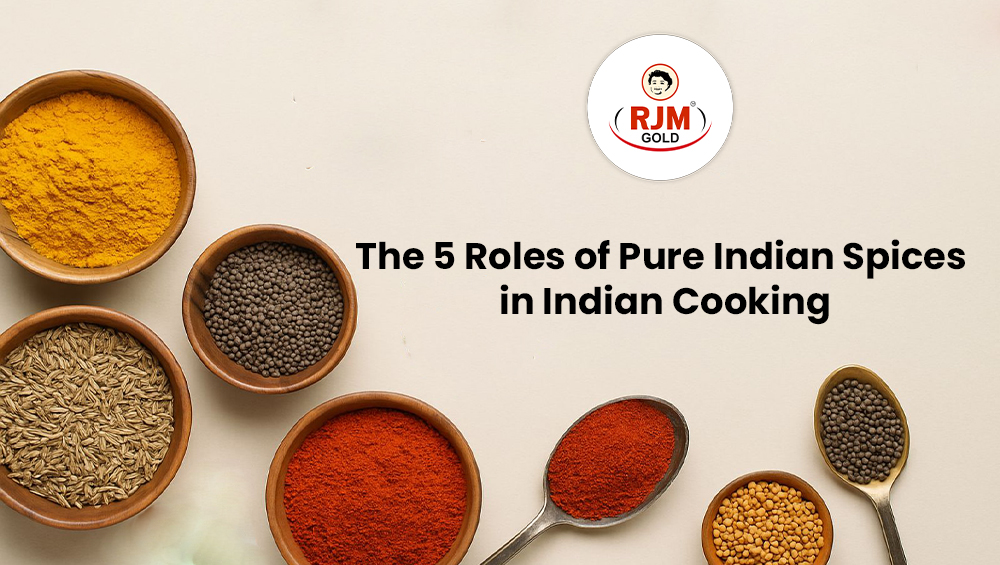
Have you ever walked into an Indian home and instantly felt hungry even if you weren’t? That’s the magic of Pure Indian Spices at work. The scent of cumin crackling in hot oil, the warm notes of cinnamon in a cup of Chai or the bright yellow color of turmeric in a bowl of Dal, these are not used ingredients they are actually experienced.
Indian cooking is unthinkable without spices. But here are the things Indian spices do way more than just add taste. When you use pure unadulterated spices, you bring out the soul of the dish and in a way the soul of India too. In this guide you can check out the important roles Pure spices actually play in Indian cooking.
They add real flavor not just heat
Let’s start with the obvious one flavor. A lot of people outside India think Indian food is just spicy. But the real truth is it’s not just heat it’s all about layers and balance. Think of Organic Indian spices, as the musicians in an orchestra. Each one has a strong personality. When they come together that’s when the music starts.
- Cumin gives you that earthy, warm taste.
- Coriander brings a lemony, nutty vibe.
- Cardamom? Sweet and floral.
- Black pepper adds sharpness, while
- Clove and cinnamon give warmth and depth.
Now imagine mixing everything into your dish. That’s how complex and wonderful Indian cooking can be. Just by using the right spices in the right way. Every region in India has its own flavor fingerprint based on how they use the spices. For example, north Indian food uses garam masala heavily with rich curries. South India loves mustard seeds, curry leaves and hammers. West India like Gujarat is a little milder and sweet and spicy. East India brings in mustard and poppy seeds. So, you must know Uses of Indian spices are completely different and spices define not just the food but also the region’s mood and memory.
They make your food smell amazing
Ever smelled onions frying in ghee with a little cumin? Your stomach growls before you even see the food, right? That’s the power of spices in Indian cooking. They create aromas that are completely comforting, nostalgic and exciting all at once. A little heat activates the essential oils in spices and that’s when the magic happens. Whole spices like mustards pop up and release a nutty aroma. Bay leaf gives you a deep woody scent and freshly ground garam masala? Is completely heavenly. Indian cooking often starts with something called tempering. That’s when you add spices to hot oil or ghee before anything else. It’s not just about tradition it’s all about science and taste and aroma all rolled into one.
Even the final step of sprinkling some roasted cumin or coriander powder at the end makes a big difference in how the dish smells and tastes. So, you must always try to buy whole spices and grind them fresh whenever you can. The differences are completely huge.
They are loaded with health benefits
Let’s not forget Indian spices are basically natural medicines. Long before pharmacy shelves were a thing Indian households relied on kitchen remedies using traditional Indian spices. Turmeric, the king of healing, is anti-inflammatory and also helps with digestion and boosts immunity. That’s why your mom gave you Haldi doodh when you caught a cold. Ginger is great for digestion nausea and sore throats.
Black pepper helps in absorbing nutrients better especially curcumin from turmeric. Cardamom is great for fresh breath and digestion. This is not just old school thinking either. Modern science backs it up. The spices are loaded with antioxidants antibacterial properties and cut friendly elements. And when they are pure and not mixed with additives or preservatives you can completely get the full benefit. So yes, spices don’t just taste good they also make you feel good.
They add natural color and make food look beautiful
Let’s be honest, nobody wants to eat dull looking food. In Indian cuisine Indian cooking spices are not just used for taste or smell they are also the natural color palette. Turmeric gives curries the beautiful golden yellow. Kashmiri Red chili powder gives the vibrant red without too much heat.
Mustard seeds pop in the oil and also create texture. Saffron adds a rich golden orange color to the biryani. You don’t need artificial food coloring when you have pure natural spices that do the job beautifully. And guess what? Bright colorful food also makes you more likely to enjoy your meal. It’s a psychological thing. You are drawn to food that looks as good as it tastes. So yes, spices are your kitchen’s paint brushes and every dish is your canvas.
They hold cultural and emotional value
For a lot of Indians spices are not just ingredients they’re actually part of traditions and memories. Think about your grandmother’s masala dabba passed down through generations. The smell of Diwali sweets flavored with cardamom and saffron. The ritual of preparing Chai with ginger and cloves every evening. The way biryani smells at a wedding or having your mummy’s curry tastes better than any restaurant. These moments tied not just to food but to family home and belonging.
Even the act of roasting, grinding and mixing spices is completely therapeutic for many home cooks. It’s not just fast food, it’s all about slow mindfulness and love. Festivals and even Ayurvedic rituals often use spices. Think about turmeric paste for weddings and sandalwood in temples. Spices connect you to something deeper. That truly tells stories, brings comfort and carries wisdom.
Why purity matters
Now here is something really important. Not all the spices are created equal. A lot of store-bought spice powders today are blended with fillers or colorants. That’s why when you talk about the five roles of Indian spices you always mean pure spices. Pure spices taste better, smell stronger or safer for your health and also have more nutrients. So always check labels, go for trusted brands or local organic sellers and if possible, buy whole spices and grind them at home.
Spice shopping tips
So here you go. Your Indian spices are tiny mighty wonders. They are not just for taste, they build amazing flavor, fill your kitchen with comforting aromas, boost your health naturally and also add beautiful color to your meals. The next time you sprinkle cumin on your Curry or add turmeric to your Dal just remember you are not just cooking you are keeping a tradition alive.
FAQs
What are the must-have spices in an Indian kitchen?
A basic Indian spice rack usually includes turmeric cumin powder, red chili powder mustard seeds and cinnamon.
What is the difference between whole spices and ground spices?
Whole spices last you long and have a stronger aroma when freshly ground. Ground spices are more convenient but are likely to lose flavor quickly. If you can bring small batches at home for the best results.
How do you know if your spices are pure?
Always look for brands that don’t add artificial colors or fillers. Pure spices usually have a stronger aroma and taste.