
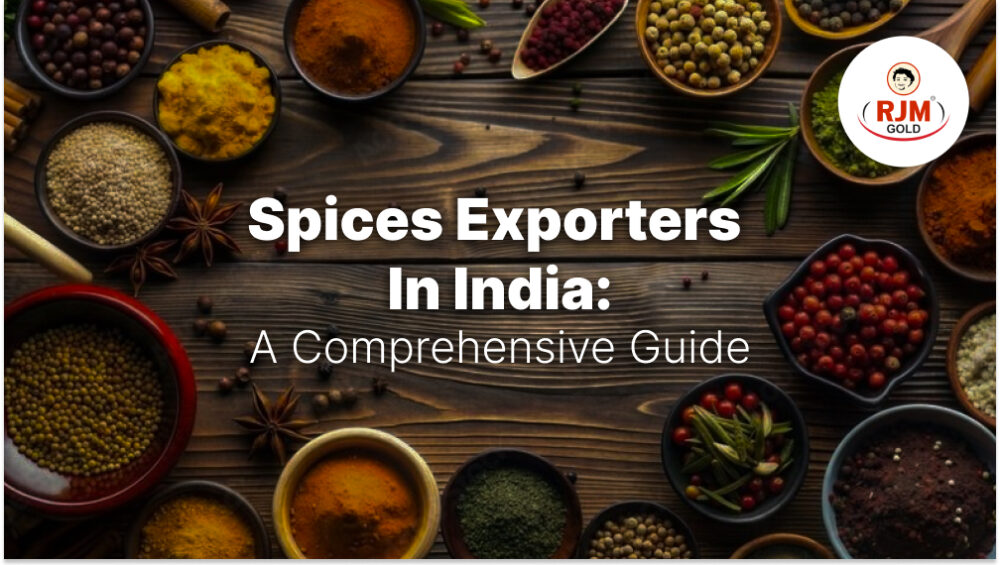
India is often called the land of spices and rightly so. For thousands of years spices have played a very important role in Indian culture, food and trade. From the sharp flavor of black pepper to the gold hue of turmeric Indian spices have traveled across the world adding taste, aroma and color to countless dishes. Even today India continues to be one of the largest producers and exporters of spices meeting the growing demand from global kitchens and food industries. In this guide you can learn everything about Spices Exporters in India.
A brief history of Indian spices
Before you choose the best spice exporter companies in India, you need to understand some history. Spices have been a part of India’s identity since ancient times. Traders from China and Europe visited Indian ports in search of pepper cardamom and cinnamon. The spice trade shaped history leading him into the discovery of new sea routes to India. Spices were way more than just flavoring agents; they were actually used for medicine and rituals. Over the centuries India built a reputation as a reliable source of pure aromatic and diverse spices.
India’s spice industry today
India produces more than 75 varieties of spices grown across different states depending on the climate and soil. The country contributes towards 45% of the global spice exports in volume making it one of the leaders in the global spice trade. So, there are plenty of Indian spice exporters, exporting to more than 180 countries.
| Category | Details |
|---|---|
| Number of Spices Produced | More than 75 varieties |
| Share in Global Spice Trade (by volume) | Around 45% |
| Top Spice-Producing States | Kerala, Tamil Nadu, Karnataka, Andhra Pradesh, Gujarat, Rajasthan |
| Major Ports for Export | Cochin, Tuticorin, Mumbai, Chennai, Mundra |
| Export Destinations | USA, UAE, UK, Germany, Malaysia, Canada, Saudi Arabia |
Popular spices exported from India
India offers amazing variety of spices each with unique flavour aroma and useful stuff
Turmeric
As per experts doing spice export business in India, turmeric is widely loved for its color and healing properties; it is used in cooking cosmetics and traditional medicine. Indian turmeric especially from Tamil Nadu and Andhra Pradesh has high curcumin content.
Black pepper
According to Best spice exporters in Gujarat, black pepper is called the king of spices. Kerala and Karnataka produced some of the world’s best black pepper known for its strong aroma and sharp taste.
Cardamom
Between spices cardamom is valued for its fragrance. Small cardamom from Kerala and large cardamom from northeast are often sought after in global markets.
CorianderUsed in sauces and garnishes coriander is appreciated for its mild refreshing flavor. Indian coriander seeds are known for their purity and aroma.
How to export spices from India?
Firstly, all the spices are sourced directly from the farms or through suppliers who follow sustainable and organic farming practices. The raw spices are cleaned and graded based on the size and colour. Advanced machinery helps remove impurities. Depending on the market demand with spices might be processed into powder and oil.
Every batch is tested for moisture content and aroma. The products meet the global food safety standards. Proper packaging is very important for export. Airtight moisture proof materials are used to keep the flavor. Supporters need to obtain some certificates and licenses. The final products are then shipped via sea or freight depending on the destination and order requirements.
Top countries importing Indian spices
| Region | Key Importing Countries | Popular Spices Imported |
|---|---|---|
| North America | USA, Canada | Turmeric, Pepper, Chilli, Cumin |
| Europe | UK, Germany, Netherlands | Cardamom, Clove, Coriander |
| Middle East | UAE, Saudi Arabia, Oman | Chilli, Pepper, Mixed Spices |
| Asia-Pacific | Japan, Singapore, Malaysia | Curry mixes, Turmeric, Ginger |
Spice export requirements in India
To maintain international trust, Indian spice exporters must follow specific regulations and quality certifications.
Important Certifications
- Spices Board of India Registration – mandatory for all exporters
- FSSAI (Food Safety and Standards Authority of India) – ensures food safety compliance
- ISO & HACCP Certification – for quality management and safety
- APEDA Registration – for agricultural and processed food exports
- Organic Certification – required for exporting organic products
Logistics and Export Challenges
While India leads in spice production, exporters face challenges such as:
- Fluctuating global prices
- High freight costs
- Changing import regulations
- Maintaining consistent quality
- Climatic variations affecting yield
Trends driving global spice demand
Consumers globally are seeking chemical free and natural grown spices India’s growing organic farming sector is helping meet the demand. Global exposure to Indian and Asian flavours has led to demand for authentic spices in restaurants. Busy lifestyles have also boosted demand for convenient spice blends and seasoning powders.
The future of spice exports from India
The global spice market is expected to reach $30 billion by 2030. India’s strong agricultural base, diverse climate and reputation for quality gives it an edge in meeting the future demands.
Some future growth areas include:
- Spice oils and oleoresins for the food and cosmetic industries
- Certified organic spices for premium markets
- Digital supply chain traceability to ensure transparency
- Customized spice blends for global brands
| State | Major Spices Grown | Notable Features |
|---|---|---|
| Kerala | Pepper, Cardamom, Clove | Traditional spice hub with high export value |
| Tamil Nadu | Turmeric, Chilli, Coriander | Large-scale cultivation and processing facilities |
| Karnataka | Pepper, Ginger | Known for high-yield organic production |
| Gujarat | Cumin, Fennel, Coriander | Major spice processing and export center |
| Rajasthan | Cumin, Fenugreek | Leading supplier to domestic and export markets |
| Andhra Pradesh | Chilli, Turmeric | Large spice clusters for export production |
How Indian Spices Reach the World
From farms to foreign shelves, the journey of Indian spices involves several key steps:
- Collection and Aggregation at farm level
- Processing and Grading for export standards
- Certification and Quality Checks
- Packaging and Labeling
- Customs Clearance and Shipping
- Distribution to Global Buyers
From ancient trade routes to the modern export markets Indian spices continue to add flavour and colour the global cuisines. With their amazing richness and variety and priority Indian spices remain unmatched in quality and heritage. Exporters across the country like RJM Gold are carrying forward the century’s old tradition.